Melisandre Schofield

2024–in development, PALINODES

in development
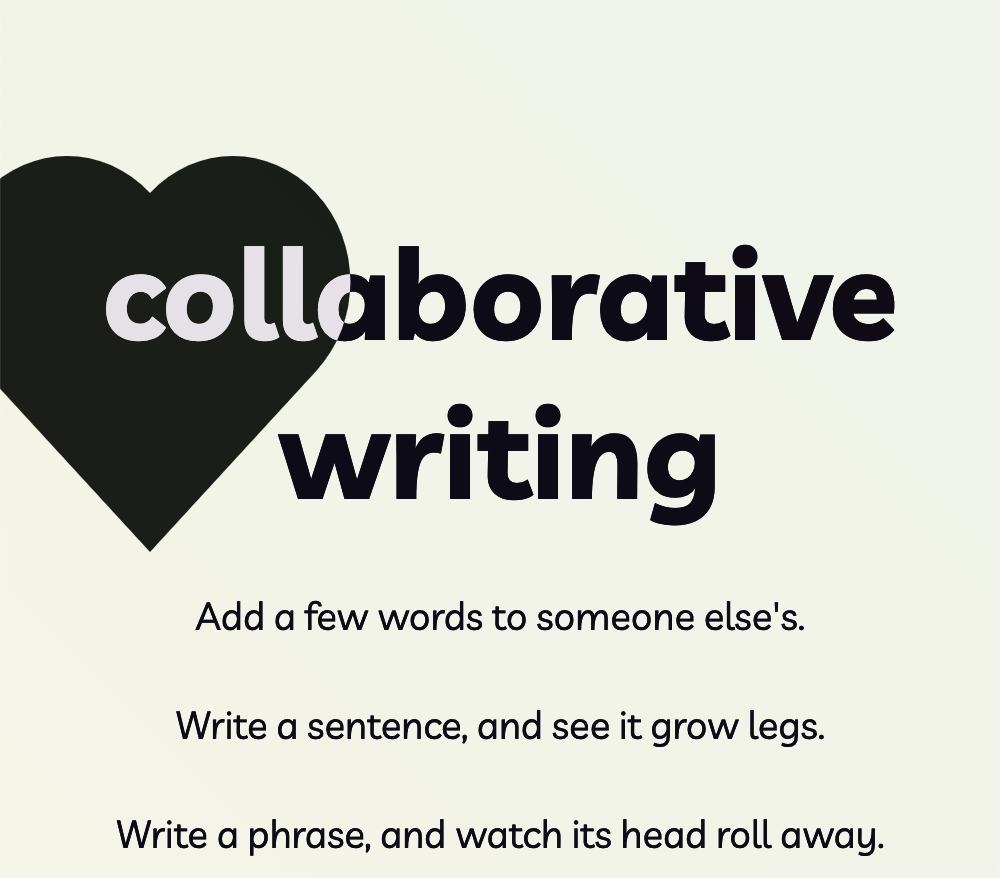
image of the home page, link to the gallery

DESCRIPTION: A collaborative writing game. In development.

  • visualization: D3.js + custom JavaScript (hierarchical narrative structures)
  • interface: tree + outline views for collaborative story-building
  • comparison: integration of a diffing library (view-only, outside editing mode)
  • bilingual interface: EN / FR
  • search & navigation: filters, search, and sorting across narrative hierarchies
  • architecture: MVC (Twig/PHP), REST API, Redis real-time layer, polling fallback
  • behaviours: contextual tutorial system, auto-save drafts, voting, permissions, notifications, read/unread tracking, persistent state across refreshes
  • upcoming: node merging, real-time comparison layer

I invited my writing group to try a simple exercise I had designed. It was difficult to explain the interaction in words, but much easier to show visually: nodes branching outward, where each node becomes a new version of the same text as participants add, remove, and rearrange its parts.

I have always loved exquisite corpses, but I wanted the ability to move things around, to contribute in a non-linear way, and to see what emerged. I wondered whether co-writers might arrive at consensus through editing rather than discussion, as every node is a candidate for the final text.

I continue this work in the context of an MA in educational technology.

technical details a few thoughts

2004–ongoing, LAFIN

ongoing
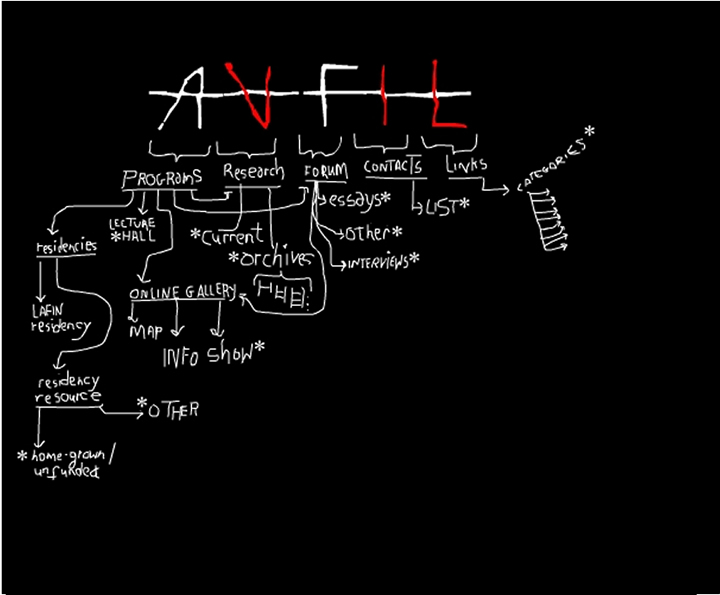
image of an archival home page, link to the gallery

DESCRIPTION: A web-based fictional institute active in narrative experimentation.

  • HTML, CSS, JavaScript, and PHP
  • initially developed and maintained in Flash
  • presented at the Liminal Screen conference, Banff Centre (2008)
  • developed at the Banff Centre Art and Language Residency (2007)
  • grant recipient, NS Dept of Tourism, Culture, & Heritage (2004)

The Liberal Arts Fictional Institute of Narrative is a collective of artists and researchers who share an interest in narrative, and in fiction--in part because most of them happen to be both.

The characters in Lafin have been with me for years. Friends, in a way. Lafin is an attempt to create an intellectual and creative ecosystem, where the institute becomes its own context, where the questions become embodied by characters, programs, archives, and notes. At Lafin, collaboration is key, but potentially a strange illusion... the illusion of treating the work itself as a collaborator. Meanwhile, quietly, Lafin makes small attempts to open itself to outside contributions. It is an evolving landscape. It is a question that questions itself.

technical details a few thoughts

2008–in development, SKY PAINT

in development
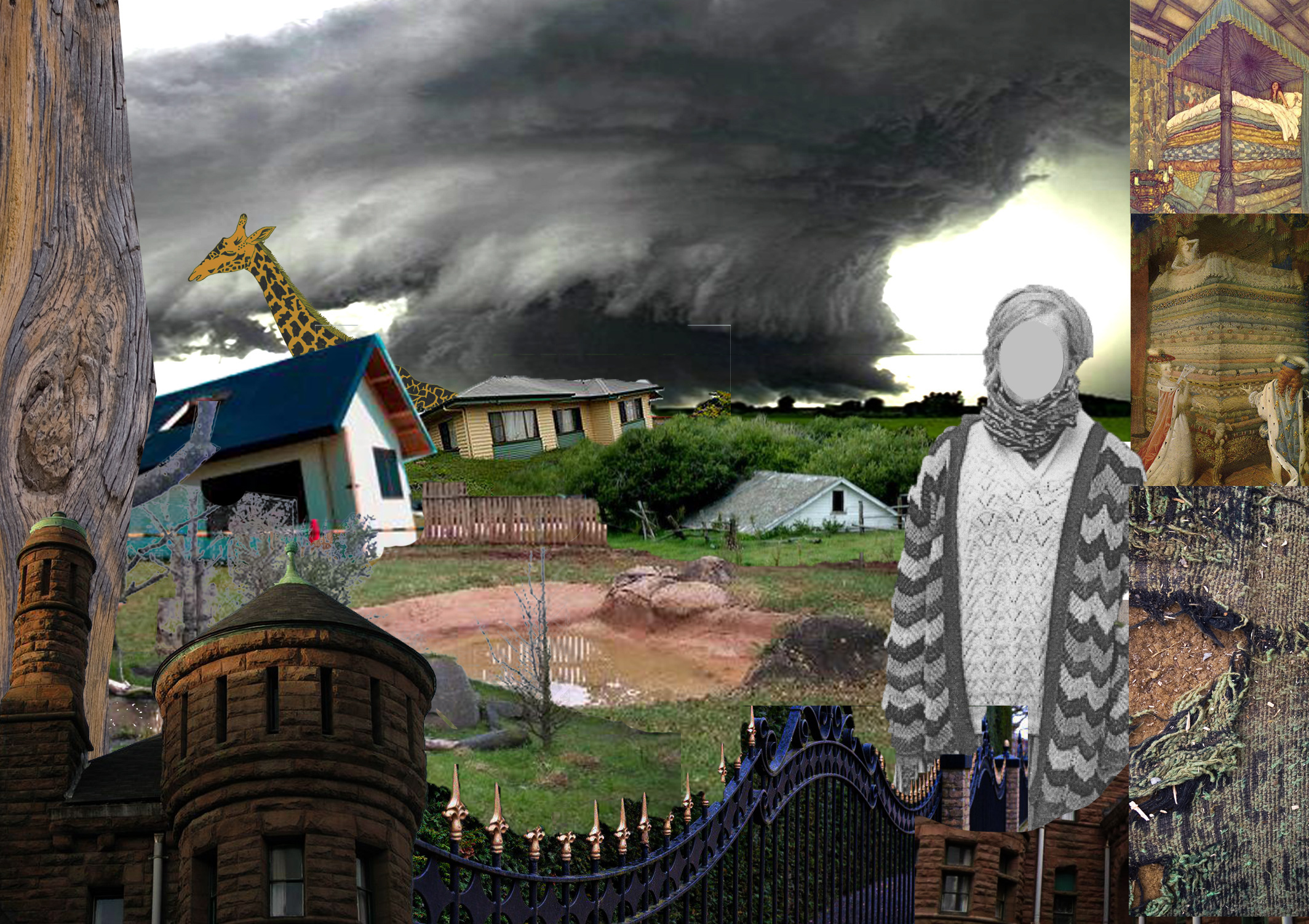
image of a mood board for sky paint

DESCRIPTION: A novel in progress.

I was walking to the University one morning, and pigeons were falling from the sky. There were wounded pigeons everywhere on the pedestrian street that leads to school. The image stayed with me, and slowly grew into the world of Sky Paint.

Sky Paint has unfolded over years of writing, editing, setting aside, and returning—inevitably. It is one of my long-term projects. Jean travels and seeks to feel connected to others, while it is movement itself that she connects to most deeply. Slowly, she realizes that places disappear behind her. The novel follows the characters she meets along the way. The metaphors they use to understand the world begin to reshape it, producing a shared and unstable reflection.

I haven’t quite let go of the red pen, but I have sent it to a few publishers. It can take time to get an answer.

link coming soon
a few thoughts

2017, LAMP LIGHTER

DESCRIPTION: Play a scientist who manages street-lights to study their effects on city birds.

  • made in unity
  • programmed in C#
  • collaboration with artist K. Nakashima

From the depths of a day job which was actually a night job, all I needed was some kind of light, to help me see where I was, and that I wasn't lost. Lamplighter emerged from this experience. I imagined I might be a scientist, doing the same things again and again, trying to understand... holding hope that I might come to some answers through repetition, some underlying logic in the ecosystem that manages to survive the city that hates it. Lamplighter climbs lampposts, every night, adjusting the colour, and intensity of the lights, and notes the effect of these lights on nearby bird populations. I was thinking: this is like a city ecology simulator… where dark streets increase crime, and too many crows bring bad luck… but while play-testing, the feeling that emerged didn’t quite touch what I was grappling with. I still think of it as an experiment, and as yet unfinished.

link coming soon
technical details a few thoughts
2017, HELP IS NEEDED

DESCRIPTION: A simple text-game, a dream-like world where help is needed.

  • made with Twine
  • a branching story built with hyperlinks and minimal conditions

A barebones hypertext experience, the player wanders in the narrator’s neighbourhood, deciding who they might trust. I was working around my feelings of needing help, and not knowing where to get it. I don't think this is actually an easy question to answer. I think... just asking for help often doesn't cut it. And that's something hard about life. I wanted to explore the hopelessness, and the beauty in walking around it, not quite finding an exit, but seeing paths… I feel that moments of personal fragility hold so much potential for meaning.

technical details a few thoughts

2016, STAIR SAFETY

DESCRIPTION: A simple narrative game, about the bureaucratic ills of accidents.

  • made with Knytt Stories
  • a narratively driven plateformer

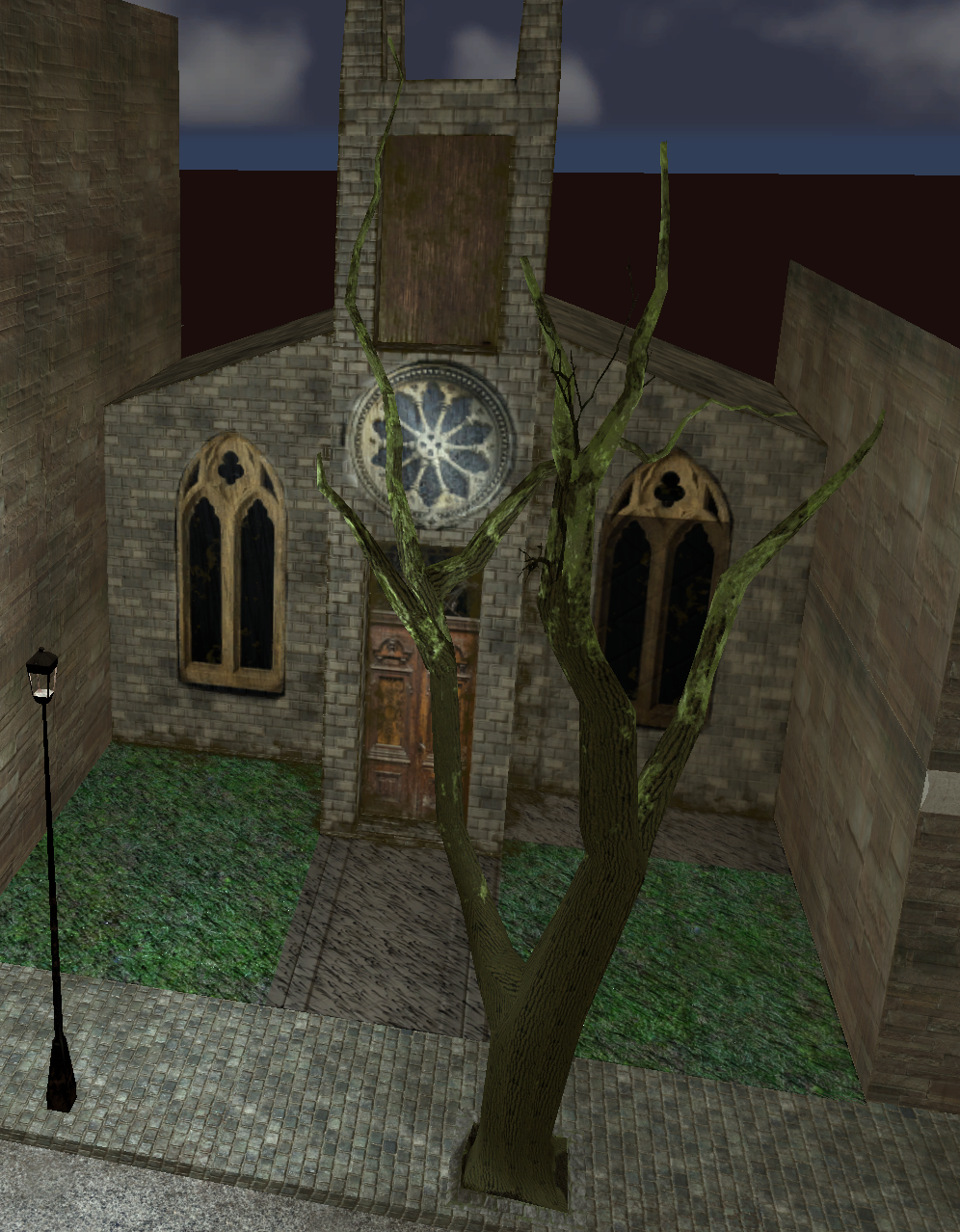
You fall through a crack in the stairs, and end up in a strange bureaucratic labyrinth of... hallways, lines, paperwork, waiting rooms... The illusion of safety is held together with red tape.

I am particularly happy with this game. It’s simple, and it feels like it captures something about falling through the cracks, and being made to feel personally responsible for having ended up there—as if the holes were some kind of personal failing, rather than the effect of institutional decay.

technical details a few thoughts

2016, HOUSE GENERATOR

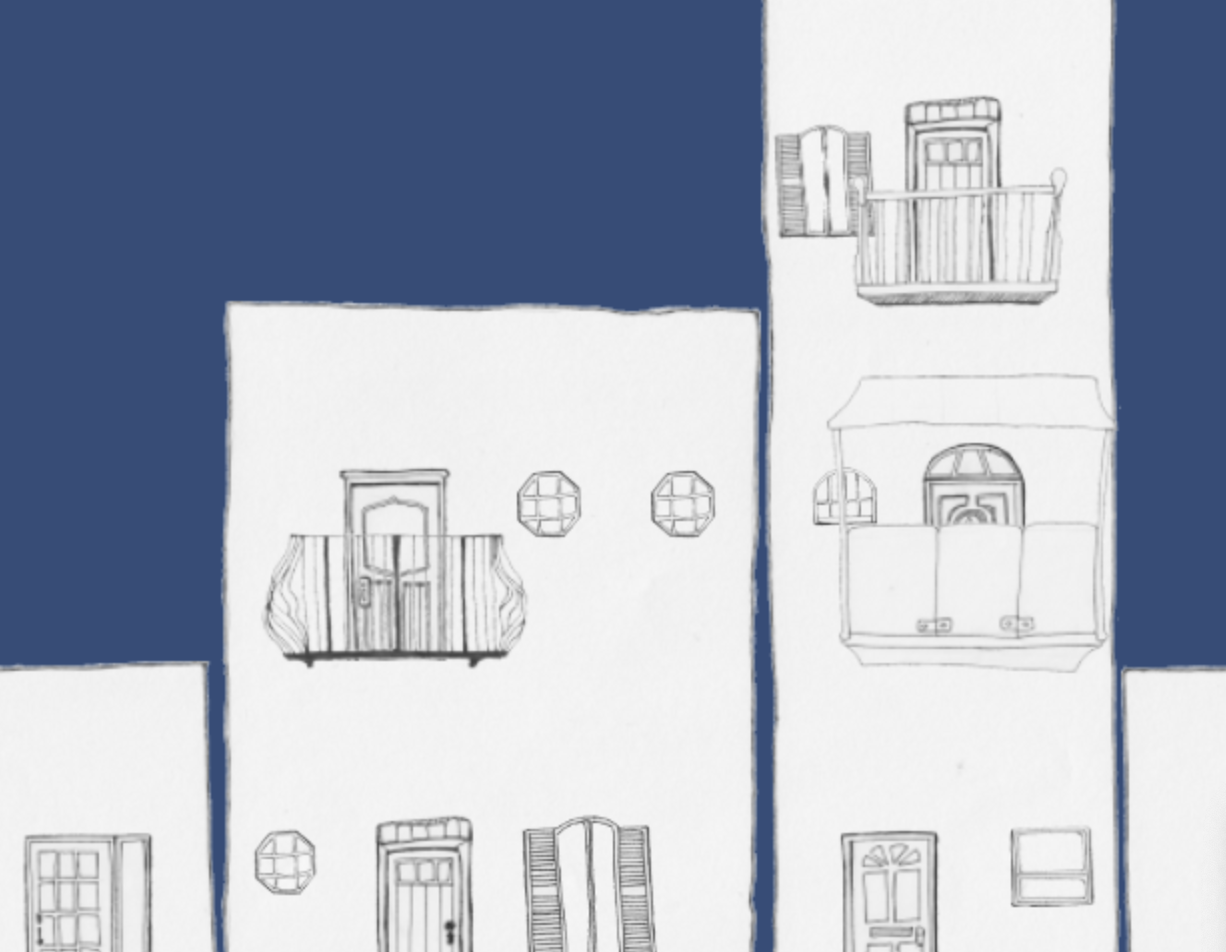
DESCRIPTION: A street drifts by—-its houses generated by a house generator.

  • made in Unity
  • programmed in C#
  • drawn in pen

I love houses. I love how they hide the most intimate.

Houses in video games hold a special possibility—of allowing us to enter. But this one is simple. It’s just houses... built with hand drawings, and the camera pans forward, and the houses are built, and built, and built, randomly.

The interest here was a little more technical... I was still learning to code, and the code here felt particularly poetic. I like the experiment. It's a little experiment.

technical details a few thoughts